


Best Khus Attar in India
India has one of the richest attar traditions in the world, and within that tradition, khus holds a place of extraordinary importance. It is one of the oldest continuously worn fragrances in the subcontinent. Ayurvedic texts reference it. Mughal courts prized it. And today, as natural fragrance has found a new generation of serious buyers, khus attar is experiencing a well-deserved revival.
But with that revival has come a flood of products labelled khus attar that have little to do with real Vetiveria roots or traditional distillation. If you are looking for the best khus attar in India, this guide will tell you exactly what to look for, what separates real from imitation, and what genuine quality smells and feels like.
What Is Khus Attar and Where Does It Come From

Khus attar is a concentrated, alcohol-free perfume oil extracted from the roots of Vetiveria zizanioides, a perennial grass native to India. The plant is cultivated primarily in the northern and central states, with significant production in Rajasthan, Uttar Pradesh and parts of Madhya Pradesh.
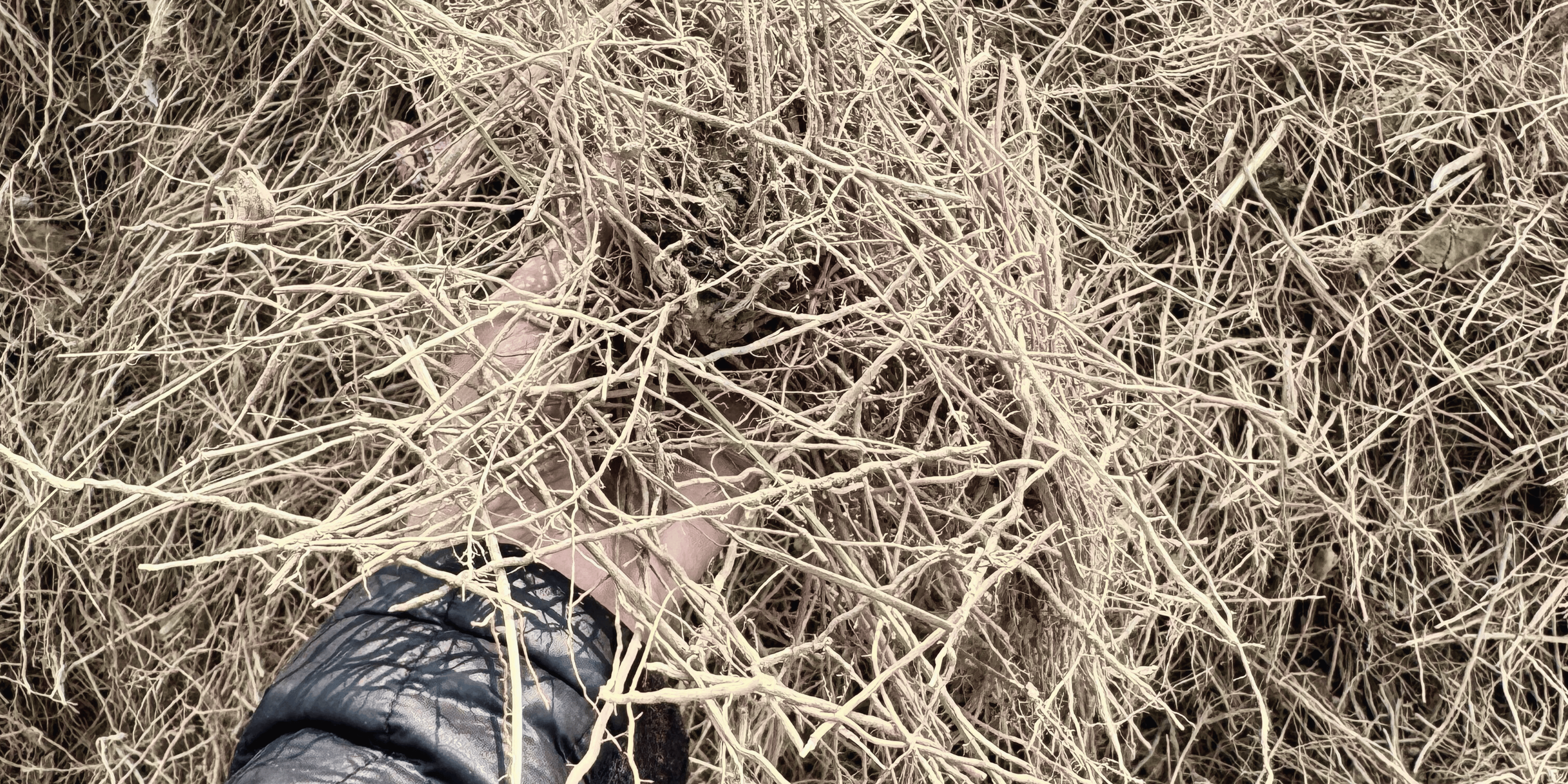
The fragrance lives entirely in the roots. The above-ground grass is largely odourless. It is only after the roots have been allowed to mature underground for twelve to eighteen months that they develop the deep, earthy, woody aromatic compounds that define khus.
The word ruh in perfumery means soul or essence. Ruh khus, therefore, refers to the pure soul of the vetiver root, extracted without dilution, without synthetic fillers and without alcohol. A genuine khus attar is this pure root essence, nothing added, nothing taken away.
Why the Source and Distillation Method Define Quality

Not all khus attar is made equally. The single biggest factor separating an exceptional khus attar from an average one is the combination of root quality and distillation method. Understanding both helps you make a genuinely informed purchase.
Root maturity matters enormously. Vetiveria roots need to grow for at least a year before they are harvested for fragrance extraction. Roots harvested early yield a thinner, less complex oil. Fully matured roots produce the thick, dark, intensely aromatic oil that defines the best khus attars. The depth, the earthiness and the long drydown that khus is known for all come from root maturity.
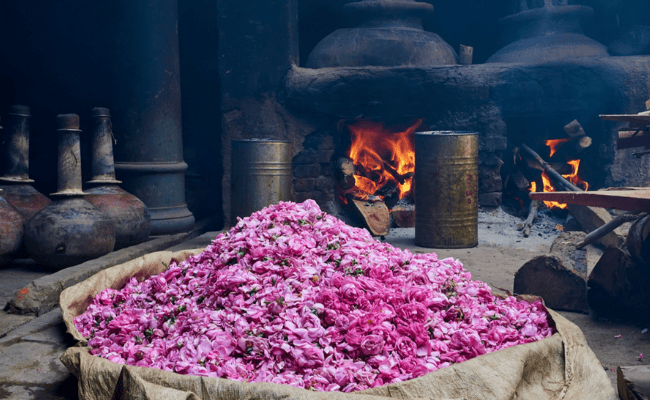
The Deg and Bhapka method is the gold standard. Traditional khus attar in India has historically been produced using the Deg and Bhapka hydro-distillation process, developed and refined over centuries by the perfumers of Kannauj, Uttar Pradesh. In this method, the roots are placed in a copper vessel called a deg along with water. The vessel is gently heated. Steam and aromatic vapours rise through a bamboo pipe into a receiving vessel called a bhapka, where they condense and the oil is collected. This slow, careful process preserves the full complexity of the root's aroma, including volatile green notes, deep woody middle notes and the warm, earthy base that gives khus its character. The process cannot be rushed. It cannot be industrialised without losing what makes the oil exceptional.
Steam distillation is a lesser alternative. Some khus oils on the market are produced through straightforward steam distillation rather than the traditional Deg and Bhapka hydro-distillation. The resulting oil is of noticeably lower quality, lighter in character and missing the depth and complexity of traditionally distilled ruh khus. Price is sometimes a giveaway here. Genuinely well-made Deg and Bhapka khus attar commands a fair price because of what goes into making it.
Wild vetiver versus cultivated vetiver. The roots of wild-growing Vetiveria are generally considered to produce a deeper, more complex and slightly smokier oil than cultivated vetiver. Cultivated vetiver yields a cleaner, greener, more consistent oil. Both can be excellent, and both are used in quality khus attars. Knowing which you are buying helps you understand the character of what you are about to smell.
What Does a High Quality Khus Attar Smell Like
This is where many buyers get confused, because khus attar smells nothing like synthetic khus products, whether that is khus sherbet, khus room freshener or khus flavoured water. Those products use synthetic approximations of vetiver's character. Real ruh khus is in a completely different category.
A high quality khus attar opens with a burst of green, almost herbal freshness. There is a faint earthiness right at the start, like stepping into a cool, dark room after being outside in summer heat. As it develops on skin over the next thirty minutes, the green top notes recede and the deep, woody heart of the Vetiveria root takes over. This is the core of the fragrance, earthy, rooty, grounding and unmistakably natural.
The base is where great khus attar truly distinguishes itself. It becomes warm, dry and deeply settled on the skin. There is a smokiness in some expressions, a subtle sweetness in others, depending on root origin and distillation approach. It does not smell powdery. It does not smell floral. It smells like the earth itself, concentrated and refined.
One quality that sets real khus apart is how it evolves. A synthetic khus fragrance smells the same the moment you apply it as it does four hours later. Real ruh khus is a different fragrance at the ten-minute mark than it is at the two-hour mark. That evolution is a reliable sign of authenticity.
How to Identify Real Khus Attar Before You Buy

Given how many products in the Indian market use the khus label loosely, here are the specific things to look for when evaluating a khus attar.
Check the ingredient disclosure. A genuine khus attar should list Vetiveria zizanioides root oil as its ingredient. If the product lists fragrance compounds, synthetic perfume bases or does not disclose ingredients at all, exercise caution.
Look at the colour and consistency. Real ruh khus oil is typically dark amber to brownish-green in colour and noticeably thick. It does not pour like water. If a khus attar looks thin, pale or watery, it has likely been diluted or produced through inferior extraction.
Understand the price point. High quality Deg and Bhapka distilled ruh khus requires mature roots, skilled artisans and a slow, careful process. It is not cheap to produce properly. If a khus attar is priced at a fraction of what quality production costs, the oil has almost certainly been diluted or synthetically extended.
Read about the brand's process. The best khus attars in India come from makers who are transparent about their distillation method, root sourcing and whether the process is traditional or industrial. A brand that explains its craft is a brand that takes its craft seriously.
Assess longevity after purchase. Pure, concentrated ruh khus oil lasts eight hours or more on skin. A single small application on a pulse point should remain detectable well into the evening. If it fades within two or three hours, it is likely diluted.
The Role of Kannauj in Indian Khus Attar Production
When discussing the best khus attar in India, Kannauj in Uttar Pradesh is inseparable from the conversation. Known as the perfume capital of India and sometimes called the Grasse of the East, Kannauj has been the heartland of Indian attar production for over a thousand years.
The city's perfumers developed and refined the Deg and Bhapka distillation process specifically for working with delicate, natural materials that would be destroyed by harsher extraction methods. The knowledge of how to coax the most from Vetiveria roots, how long to distill, how to handle the oil after extraction, and how to store it in traditional leather vessels called kuppis that allow the attar to breathe and mature, this knowledge lives in Kannauj.
When you buy a genuine Kannauj-sourced khus attar, you are not just buying a fragrance. You are buying the accumulated expertise of generations of perfumers who have dedicated their craft to extracting the truest possible expression of the natural world's most remarkable ingredients.
Common Mistakes Buyers Make When Choosing Khus Attar
Choosing purely on price. The cheapest khus attar is almost never the best khus attar. Quality extraction costs money. Mature roots cost money. Traditional artisanal production costs money. A price that seems too good for what is being described should prompt questions, not celebration.
Confusing khus sherbet or synthetic khus scent with real vetiver. Many people in India grow up associating khus with the bright, almost candy-like sweetness of khus sherbet. Real ruh khus attar smells nothing like this. It is deep, earthy and woody. First-time buyers sometimes mistake the unfamiliar depth of real vetiver for the attar being wrong. It is not wrong. It is simply what Vetiveria actually smells like at its root.
Expecting instant familiarity. Real khus attar is a fragrance that rewards patience. It takes ten to twenty minutes on skin to fully open and reveal its character. Judging it in the first thirty seconds after application misses most of what makes it exceptional.
Ignoring the format. Khus attar as a pure oil is applied with a dab and develops intimately on skin. It is not a spray. It should not be rubbed. If you are new to attar, understanding how to apply it correctly makes a significant difference to the experience.
Seasonal Considerations for Wearing Khus Attar
Khus attar is most celebrated as a summer fragrance in India, and for good reason. The Vetiveria root has genuine cooling properties that have been recognised in Ayurvedic practice for thousands of years. When applied to pulse points in warm weather, it creates a subtle, sustained cooling sensation that no synthetic fragrance can replicate.
The earthy, grounding character of khus also carries beautifully into cooler months. The dry, woody base note that defines the fragrance is inherently warm in feel even while being cooling in effect, which makes it genuinely wearable year-round. In winter, it sits deeper on skin and projects with a quiet, settled warmth. In summer, it cools and grounds.
This versatility is part of why khus has remained continuously relevant in Indian perfumery for thousands of years. It is not a seasonal novelty. It is a fragrance that finds something to offer in every context.
ISAK Khus Attar: Crafted the Way It Should Be
When evaluating the best khus attar in India against the standards this guide has laid out, ISAK Khus Attar is a product built on exactly the right foundations.
It is made from Vetiveria zizanioides roots using the traditional Deg and Bhapka distillation process. The roots are allowed to fully mature before harvest, which is what gives the attar its characteristic depth, woodiness and complexity. The oil contains no alcohol, no synthetic dilutants and nothing that alters or approximates the natural character of the root.
Because Vetiveria roots take a full year to grow back and the traditional distillation process follows nature's rhythm rather than a commercial schedule, ISAK Khus Attar is produced in limited quantities per season. This is not a scarcity marketing tactic. It is the honest reality of how genuine attar is made.
The result is a khus attar that opens green and earthy, develops into a deep, rooty woody heart, and settles into a warm, grounding base that stays with you through the day. It smells like what it is: real Vetiveria roots, traditionally distilled, with nothing hidden and nothing added.
If you are looking for a khus attar that represents what this fragrance can genuinely be, ISAK Khus Attar is where to start.
Final Word
The best khus attar in India is not the most famous one or the most widely available one. It is the one made with fully matured Vetiveria roots, traditional Deg and Bhapka distillation, no alcohol and no synthetic compromise. Those standards exist. They are achievable. And they produce a fragrance that is unlike anything you can buy in a department store or off a generic online listing.
Khus is one of the oldest fragrance traditions in the world. When it is made properly, it deserves to be. Take the time to find a real one. Your nose will thank you.
Frequently Asked Questions
What exactly is Khus Attar?
Khus attar is a highly concentrated, alcohol-free perfume oil extracted from the roots of Vetiveria zizanioides, a perennial grass native to India. Unlike commercial, mass-produced fragrances, a genuine traditional attar contains no added alcohol, chemical solvents, or synthetic fillers, offering the purest possible expression of the plant.
What is the difference between Khus Attar and Ruh Khus?
While people often use the terms interchangeably, Ruh Khus specifically refers to the absolute "soul" or unadulterated essence of the vetiver root. While a generic attar might occasionally use a base or carrier, a true Ruh Khus is a 100% pure root distillation with absolutely nothing added and nothing taken away.
Why does real Khus Attar smell different from khus sherbet or room fresheners?
Most commercial syrups, soaps, and air fresheners rely on cheap synthetic chemicals designed to mimic a bright, sweet, candy-like interpretation of the plant. Genuine traditional ruh khus smells entirely different, skipping the artificial sweetness to deliver a deeply earthy, complex, woody, and herbal aroma that captures the scent of the natural earth itself.
What does high-quality Khus Attar smell like?
A premium khus attar is a living fragrance that evolves beautifully on the skin over several hours. It opens with an immediate burst of sharp, green, herbal freshness before transitioning over thirty minutes into a deep, grounding, woody root aroma, finally settling into a warm, dry base note that can carry subtle hints of sweetness or smoky depth.
How can I spot a fake or diluted Khus Attar before buying?
You can spot authentic khus by looking for explicit labeling of Vetiveria zizanioides root oil rather than vague fragrance compounds, and by checking its appearance for a thick, rich, dark amber or brownish-green consistency. Furthermore, because traditional production is incredibly labor-intensive, an authentic oil will command a fair price, while a suspiciously cheap product is a surefire sign of heavy dilution or synthetic substitution.
What is the Deg and Bhapka method and why does it matter?
The Deg and Bhapka method is a centuries-old traditional hydro-distillation process perfected by the artisanal perfumers of Kannauj, Uttar Pradesh. By gently heating the roots in copper stills and catching the vapors in a connected receiving vessel, this slow and unhurried craftsmanship preserves the delicate green top notes and deep woody base notes that modern, aggressive steam distillation entirely strips away.
Why is Kannauj so important to Indian Khus Attar?
Known globally as the perfume capital of India, Kannauj has been the heartland of traditional attar production for over a thousand years. The city's master perfumers possess invaluable, generational knowledge regarding root maturity, wood-fired distillation rhythms, and the art of aging oils in traditional leather vessels to allow the fragrance to breathe and mature perfectly.
Is Khus Attar strictly a summer fragrance?
While khus is celebrated across India for the natural, Ayurvedic cooling properties it brings to pulse points during scorching summers, its deep, woody, and smoky base notes possess an inherent structural warmth. This unique duality allows the fragrance to adapt beautifully to cooler winter months, shifting from a refreshing summer shield to a quiet, settled, grounding skin scent for year-round wear.
Why is ISAK Khus Attar produced in limited quantities?
True artisanal quality cannot be rushed or mass-produced on an industrial factory timeline. Because ISAK Khus Attar relies on natural vetiver roots that must mature underground for twelve to eighteen months, combined with the slow rhythm of traditional copper hydro-distillation, the available supply is naturally capped by what nature yields each season.
How should I apply Khus Attar for the best experience?
Because traditional khus is an incredibly concentrated and rich oil, it should never be sprayed or rubbed vigorously into the skin. Instead, you should gently dab a tiny drop onto your pulse points, such as your wrists or neck, and give it ten to twenty minutes to naturally warm up, unfold its complex layers, and begin a journey that will easily last eight hours or more.

Leave a comment
This site is protected by hCaptcha and the hCaptcha Privacy Policy and Terms of Service apply.