

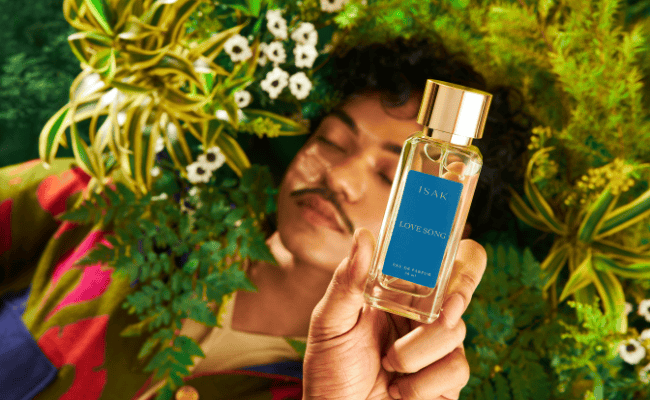



Forest-Inspired Fragrances vs Floral Fragrances: Which Scent Family Is Right for You?
Choosing a perfume is more personal than most people realise. The bottle might look beautiful and the name might sound poetic, but what actually determines whether a fragrance works for you comes down to scent family. Forest-inspired fragrances and floral fragrances are two of the most popular categories on the market, and they could not smell more different. Understanding what separates them, how each performs across different occasions, and how your skin chemistry plays a role will help you stop guessing and start choosing with confidence.
What Defines a Forest-Inspired Fragrance

Forest-inspired fragrances, often classified under the woody or chypre scent families, draw from the raw materials found in nature's quieter spaces. Think cedarwood, musk, petrichor, amber, and green notes like moss or wet bark. These scents are grounded, earthy, and often layered, meaning they evolve on your skin over several hours rather than announcing themselves immediately.
The structure of a forest fragrance typically follows a clear arc. Top notes tend to open with something light and fresh, such as citrus or a rain-like petrichor note. The heart then settles into something warmer and more complex, often a blend of floral undertones or spice. The base, usually cedarwood, musk, or amber, is where the real character lives. This base stays closest to the skin and is what people smell when they lean in hours after you first applied the fragrance.
Perfumers describe woody compositions as having excellent tenacity, meaning the base notes bind well to skin and fabrics, which contributes to longer wear time. A forest-inspired scent with a 20% concentrate, for example, can project meaningfully for six to eight hours without needing to be reapplied. For someone who wants a fragrance that works from a morning commute through an evening dinner without a touchup, this category delivers reliably.
What Defines a Floral Fragrance
Floral fragrances are built around one or more flower-derived notes, whether that is rose, jasmine, lilac, tuberose, or peony. They range from light and airy to dense and narcotic, but the defining quality is that the flower is the focal point rather than a supporting character.
Single-note florals, sometimes called soliflores, try to capture one bloom as precisely as possible. Multi-floral or floral bouquet fragrances layer several flower notes to create something richer and more complex. Then there are floral oriental blends, which add warmth from vanilla, sandalwood, or musk to soften the sweetness of the flowers.
The primary strength of a floral fragrance is its versatility and immediate recognisability. People respond emotionally to flower scents because smell and memory are processed in the same part of the brain. Research in olfactory neuroscience has consistently shown that floral scents tend to evoke comfort, familiarity, and warmth more quickly than any other category, which is why they dominate gift-giving occasions. The tradeoff is that they can project differently depending on skin chemistry. On some skin types, floral notes turn sweeter or sharper than intended, which is something a woody or earthy fragrance is less prone to.
How Occasion, Season, and Skin Chemistry Should Guide Your Choice
Neither category is objectively better. The right choice depends on three practical factors: when you are wearing it, what environment you are in, and how your skin interacts with fragrance.
Forest-inspired scents tend to perform better in cooler temperatures, when the air helps diffuse their earthy depth without amplifying them into something overwhelming. They are particularly well suited to day wear, travel, and office environments where a heavy scent would be intrusive. Their restrained projection makes them socially considerate choices. A citrus-led forest scent, opening with lemon and petrichor before settling into cedarwood and musk, reads as clean and approachable without being forgettable. Fragrances built around this structure, like this forest rain and cedarwood perfume, work precisely because of that balance between freshness up top and grounded warmth at the base.
Floral fragrances, on the other hand, tend to shine in warmer weather and evening settings. Heat amplifies floral notes and gives them the projection they need to bloom fully. A jasmine or rose-forward scent worn to a summer gathering or an evening event creates a different kind of impression than a forest scent would, which is by design.
Skin chemistry is the variable most people overlook. People with drier skin tend to absorb fragrance faster, which means top notes fade quickly and base notes dominate earlier than expected. If you have dry skin and want a forest scent to last, applying an unscented moisturiser before spraying will help the fragrance bind and extend its wear significantly. On oilier skin, both floral and woody scents tend to project more and last longer, so a lighter hand with the spray is advisable.
If you are genuinely uncertain which family suits you, the most practical approach is to test both on skin rather than on paper strips. Apply one fragrance to each wrist, wait thirty minutes for the top notes to settle, and then assess which direction feels more like yours.
Frequently Asked Questions
Are forest-inspired fragrances suitable for everyday wear?
Yes, and many people find them more versatile for daily use than florals. Woody and earthy scents tend to project at a moderate level, making them appropriate for offices, commutes, and casual outings. Their restrained opening means they rarely feel like too much for an enclosed space.
Do floral perfumes work for men?
Absolutely. The idea that floral fragrances are exclusively for women is a relatively modern retail convention, not a rule grounded in how scent actually works. Many classic men's colognes contain significant floral components, particularly lavender, geranium, and neroli. What matters is the full composition and how it sits on your skin, not the gender label on the packaging.
How do I know if a fragrance will suit my skin chemistry before buying?
The only reliable test is wearing it on your skin for at least an hour. Fragrance strips give you an idea of the top notes, but they cannot tell you how the heart and base will develop on your body. If a retailer offers sample sizes or discovery sets, start there before committing to a full bottle.
What is the difference between a woody floral and a forest fragrance?
A woody floral places the flower note at the centre of the composition and uses wood notes like sandalwood or cedarwood as a warm backdrop. A forest fragrance inverts that priority, leading with earthy, green, or rain-like notes and using any floral elements as secondary accents. The result is a fundamentally different character even if some of the raw ingredients overlap. An example of this distinction is a perfume that opens with petrichor and lilac but settles into cedarwood and musk rather than developing toward any single flower, as explored in this lemon, lilac, and cedarwood fragrance.
Can I layer a floral and a forest fragrance together?
You can, and fragrance layering has become a legitimate technique among enthusiasts. A light citrus floral applied first, followed by a woody or earthy scent over the top, can create a personalised composition that neither fragrance achieves alone. Start with the lighter scent, let it partially dry, then apply the second. The key is using fragrances that share at least one common note so they complement rather than fight each other.


Leave a comment
This site is protected by hCaptcha and the hCaptcha Privacy Policy and Terms of Service apply.