




Top Notes, Heart Notes, Base Notes: What They Mean and How to Use Them to Pick the Right Perfume
Most people choose a perfume based on how it smells in the first ten seconds. That is also why most people have at least one bottle at home that they stopped reaching for after a week. The opening of a fragrance is only one of three distinct stages, and it is often the least representative of what you will actually be wearing. Understanding how the note pyramid works changes how you shop, how you test, and how often you end up buying something you genuinely love rather than something that smelled good at the counter.
What Is a Perfume Note?
A fragrance note is an individual aromatic ingredient or a cluster of ingredients that contributes a distinct scent character to the overall composition. Notes are not experienced simultaneously. They unfold in sequence, which is why some perfume smell different 10 minutes after application versus two hours in. Perfumers organise these notes into three layers: top, heart, and base, each with a different molecular weight and a different role in the overall composition.
Top Notes: The First Impression
Top notes are what you smell immediately on application. They are typically light, fresh, and bright: citrus ingredients like lemon, bergamot, and grapefruit, green notes like galbanum, and herbal notes like mint or basil. They are also the most volatile, meaning they evaporate fastest. Most top notes last between 15 and 30 minutes before they begin to fade.
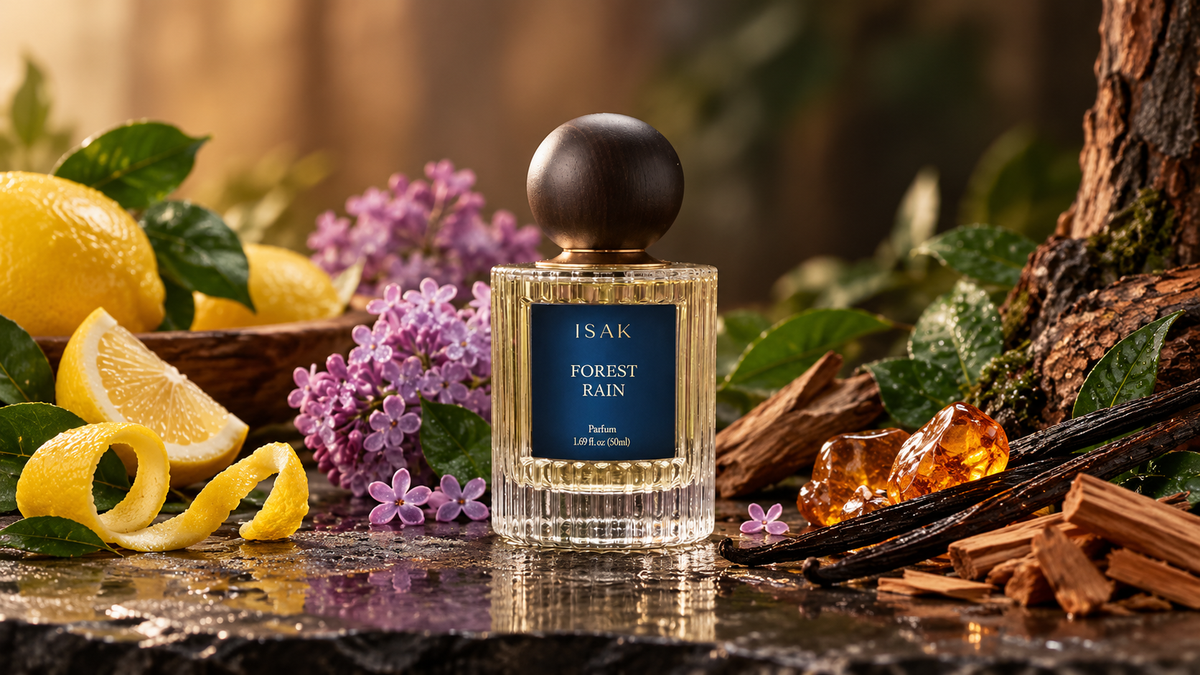
This is the most important thing to understand about top notes: they are designed to create an opening impression, not to represent the full fragrance. A perfume that opens with lemon and petrichor, like the Forest Rain perfume, will smell entirely different on your skin an hour later. Judging the whole fragrance from the first spray is like forming an opinion of a film from the opening scene.
When testing a new perfume, the top notes tell you whether the opening is pleasant and whether the transition into the heart will be smooth. They are worth noticing, but they are not worth buying for.
Heart Notes: The True Character of a Perfume
Heart notes, also called middle notes, emerge as the top notes fade. They form the core identity of the fragrance and typically account for the largest portion of the composition. Common heart note ingredients include florals like rose, jasmine, violet, orris, and lavender, along with spices, soft woods, and aromatic herbs.
Heart notes are what you actually live with across most of the day. They develop fully around 30 to 60 minutes after application and remain the dominant character for several hours. This is the layer that distinguishes one fragrance from another in a meaningful way. Two perfumes may open with similar citrus top notes and smell almost identical in the first five minutes but diverge completely once the heart reveals itself.
The A Royal Walk Perfume demonstrates this clearly. It opens with lemon and galbanum, but it is the orris, violet, and jasmine heart that defines its aristocratic character. Orris root in particular is one of the most complex and expensive heart note materials in perfumery: powdery, cool, and impossible to rush. It only reveals itself once the top layer has cleared.
When choosing a fragrance, the heart notes are what you should evaluate most carefully. If you love how a perfume smells 45 minutes after application, you are on the right track.
Base Notes: What Stays With You
Base notes are the foundation of a fragrance. They are the heaviest molecules in the composition, with the lowest volatility, which means they evaporate most slowly and last longest on skin. Common base note ingredients include cedarwood, sandalwood, musk, oud, amber, vetiver, patchouli, and oakmoss.
Base notes serve two purposes. First, they give a fragrance its longevity: the heavier the base, the longer the fragrance stays detectably present on skin and fabric. Second, they anchor and support the top and heart notes, preventing the fragrance from feeling lightweight or fleeting. A strong base is the difference between a perfume that stays present for eight hours and one that disappears by midmorning.
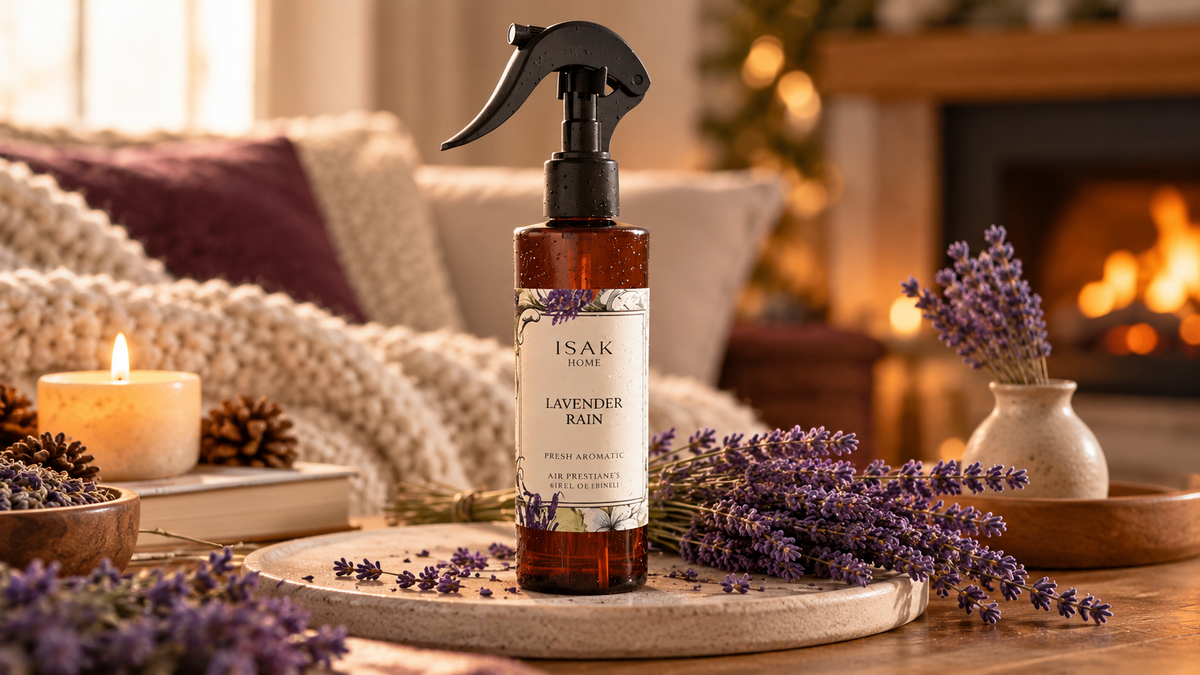
The Lavender Rain perfume illustrates this well. The lavender, raspberry, and bergamot that open the fragrance are pleasant but would fade quickly without a base. It is the sandalwood and amber at the foundation that give it longevity and warmth on skin, turning what could have been a light floral into something that lasts through the day.
Base notes are also the layer most affected by individual skin chemistry. Body temperature, natural oils, and skin pH all influence how base notes develop, which is why the same fragrance can smell noticeably different on two people by the end of the day.
How to Use the Note Pyramid to Choose the Right Perfume
Reading a note pyramid before buying is a skill that takes five minutes to learn and saves a significant amount of money over time.
Start with the base. If the base note ingredients do not appeal to you, the fragrance will not work for you long-term regardless of how much you enjoy the opening. Someone who dislikes heavily woody or animalic smells should look for bases built around musk and amber rather than oud or vetiver. Someone who wants longevity should prioritise compositions with rich, resinous base notes.
Then read the heart to understand what the fragrance will actually feel like to wear for most of the day. If the heart notes align with your scent preferences, the fragrance is worth testing.
Finally, look at the top notes to understand what the opening experience will be. A fresh citrus or green top is usually pleasant regardless of the fragrance direction, but a particularly sharp or unusual top note is worth knowing about in advance.
Always test on skin along with paper, and wait at least 45 minutes before making a decision or you can rub your wrists to quickly take the fragrance from top notes to middle notes. What you smell on paper is the top note in isolation. What you smell on skin after an hour is the fragrance.
Frequently Asked Questions
What are top, heart, and base notes in perfume?
Top notes are the first scents you smell after application and fade within 30 minutes; heart notes form the core character and last several hours; base notes are the heaviest ingredients that provide longevity and linger on skin the longest.
Why does a perfume smell different after a few hours?
Each layer of a fragrance has different molecular weight and volatility: lighter top notes evaporate first, revealing the heart notes and eventually the base notes, which is why the scent evolves significantly from first spray to dry-down.
Which perfume notes last the longest?
Base notes last the longest because their heavy molecules evaporate slowly and bind to skin and fabric; woody ingredients like cedarwood and sandalwood, resins like amber, and musks are among the longest-lasting fragrance materials available.
How do I know which perfume notes suit me?
Identify the base and heart notes of fragrances you already love and look for those ingredient families in new options; if you consistently enjoy woody, floral, or citrus-led fragrances, that pattern is your starting point for finding new scents that will work on your skin.
Should I judge a perfume by how it smells in the bottle?
No: the alcohol vapour released from an open bottle gives a distorted impression that does not represent how the fragrance will develop on warm skin; always spray onto the wrist and evaluate after at least 30 to 45 minutes.
Why does the same perfume smell different on different people?
Skin chemistry including body temperature, natural oil production, and skin pH all affect how aromatic molecules develop and project; base notes in particular are highly responsive to individual skin characteristics, which is why the same fragrance can vary noticeably between wearers.

Leave a comment
This site is protected by hCaptcha and the hCaptcha Privacy Policy and Terms of Service apply.