


Khus Attar: India’s Original Summer Fragrance
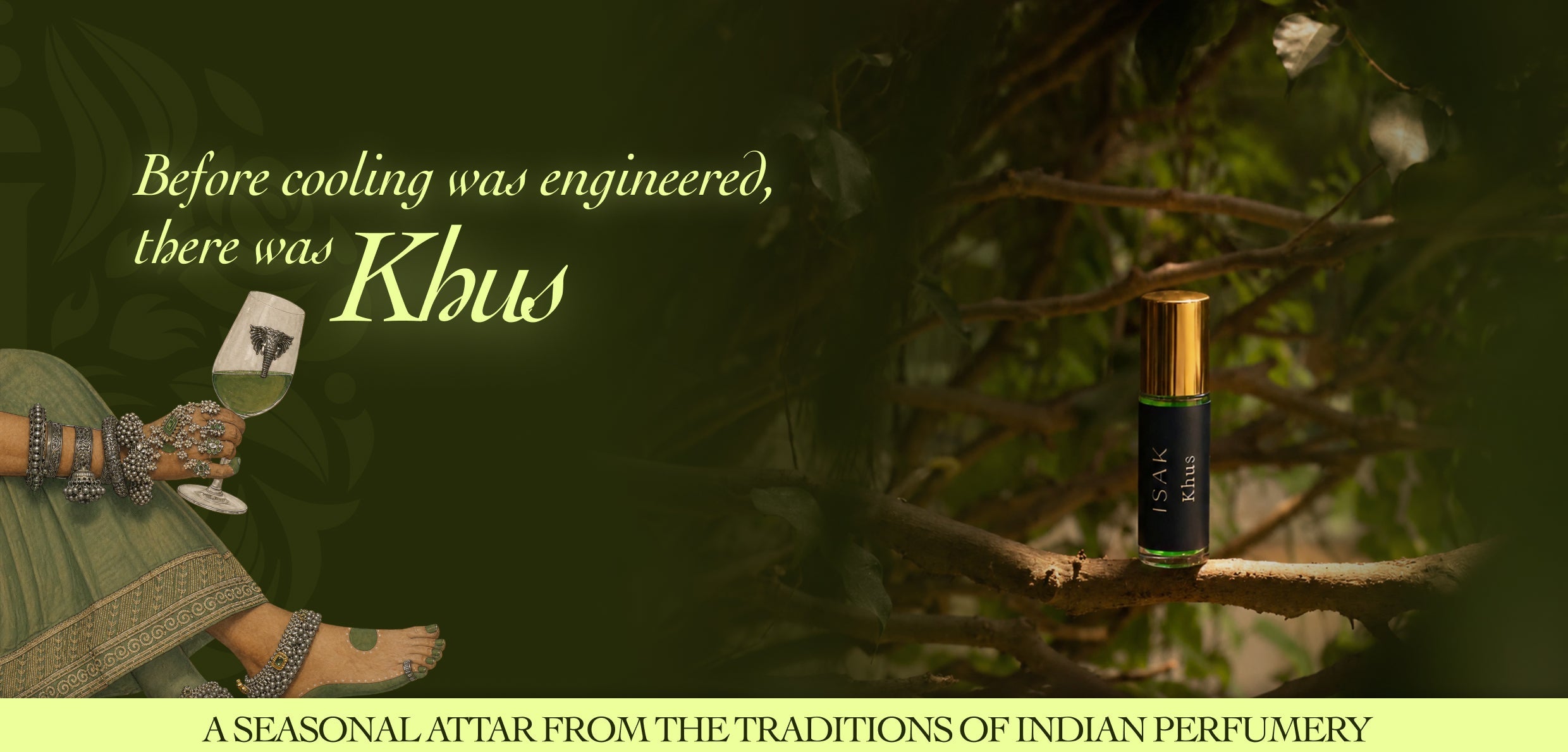
Long before air-conditioners, cooling systems, and modern fragrances, India had Khus.

For generations, Khus was woven into everyday summer life. Its roots were crafted into screens and hung in windows across homes, palaces, and courtyards. Water would be poured over these screens throughout the day. As hot air passed through the damp roots, the water evaporated, cooling the room naturally while releasing the distinctive aroma of Khus into the air.

For many Indians, Khus was not first encountered as a fragrance. It was experienced as relief.
Khus, also known as Vetiver, is a wild grass whose roots can grow up to three feet deep into the soil. These roots absorb minerals, moisture, and the character of the land itself. In regions in Uttar Pradesh, the grass often grows with little intervention, making it one of India's most fascinating aromatic materials.

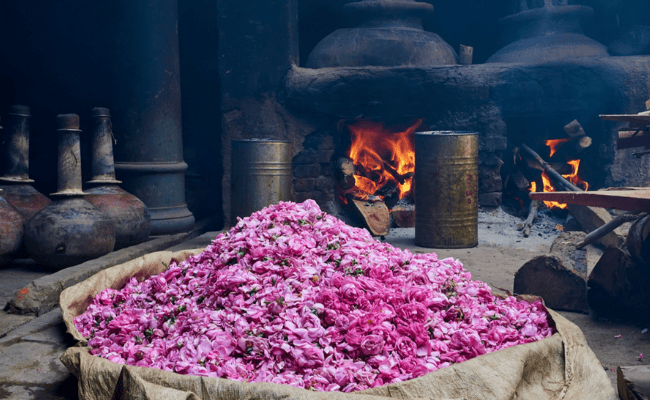
The roots are harvested during winter, typically in December and January, when their aroma is at its richest. Once harvested, they are cleaned, dried, and distilled using the traditional Deg & Bhapka method of Indian perfumery. This centuries-old process relies on copper vessels, water, heat, and time to slowly extract the fragrance from the roots.
The result is Khus Attar.

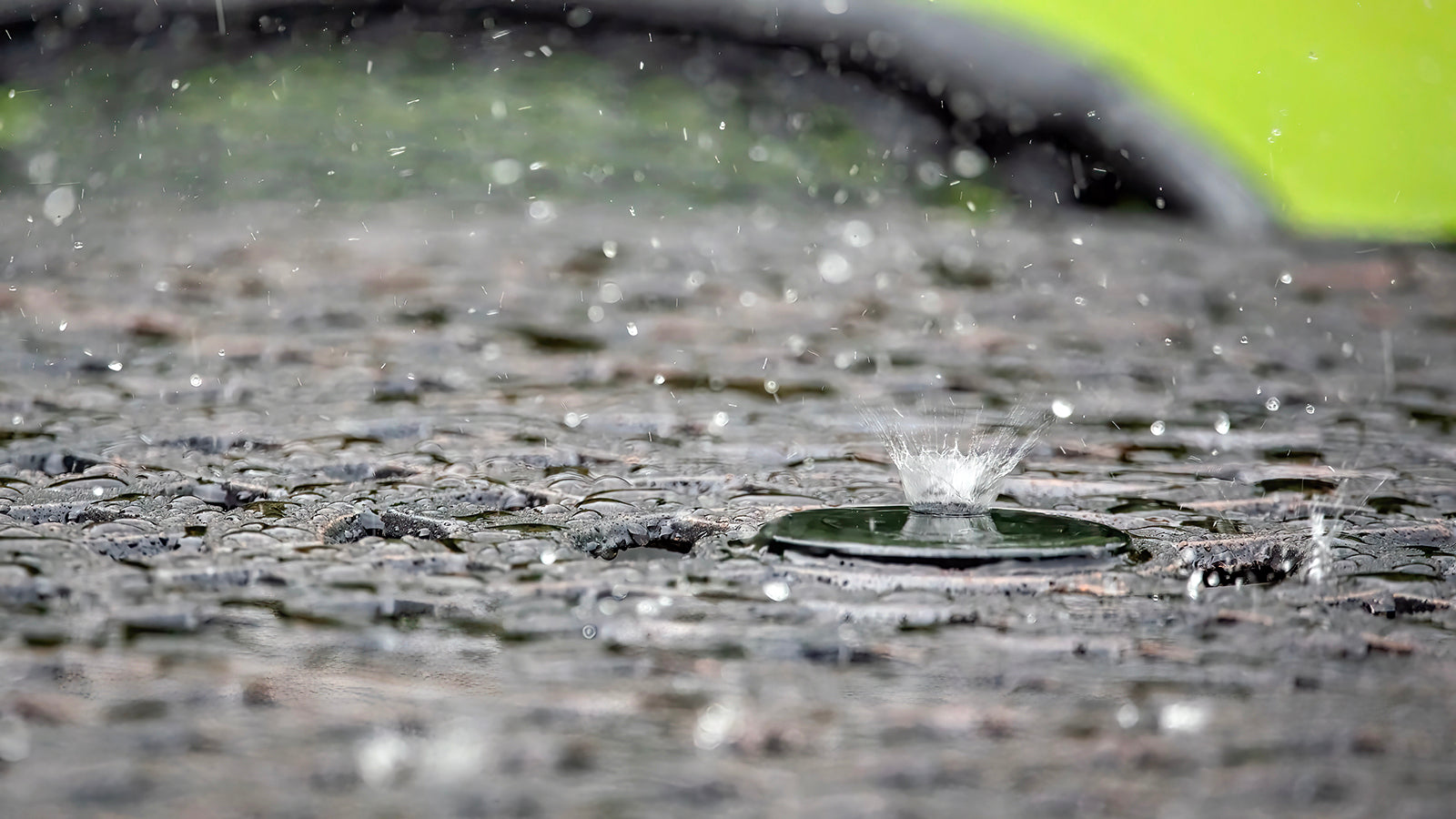
Unlike many modern perfumes that are designed around projection and intensity, Khus has a quieter presence. Its scent is earthy, green, woody, and slightly smoky. Many describe it as smelling like damp soil, roots, shade, and the cooling relief that arrives after a long day in the sun.
Its connection to summer is not accidental.
Khus became associated with the season because it was one of India's earliest cooling technologies. The scent became inseparable from the experience of escaping the heat. Over time, what began as a practical material evolved into one of the country's most iconic fragrance ingredients.

In Ayurveda, Khus is also considered sheetal, or cooling. It has traditionally been used to balance excess heat in the body and create a sense of calm and equilibrium. Even today, many people associate the scent of Khus with grounding, composure, and relief from the intensity of summer.
At ISAK, our Khus Attar is produced from a single seasonal harvest. Once the batch is sold out, production pauses until the following harvest season. This approach respects both the rhythm of nature and the traditions from which the attar originates.
In a world increasingly built around consistency and mass production, Khus remains a reminder that some of the finest materials are seasonal, limited, and deeply connected to place.
Frequently Asked Questions
What is Khus Attar?
Khus Attar is a natural fragrance distilled from the roots of Vetiver grass using traditional Indian perfumery methods such as Deg & Bhapka distillation.
What does Khus smell like?
Khus has an earthy, green, woody, and cooling aroma. Many people associate it with damp soil, shaded gardens, roots, and relief from summer heat.
Why is Khus considered a summer fragrance?
Historically, Khus roots were used in cooling screens across Indian homes. Its scent became closely associated with relief from hot weather, making it one of India's most iconic summer fragrances.
How is Khus Attar made?
The roots are harvested during winter, cleaned, dried, and slowly distilled using the traditional Deg & Bhapka process to extract their aroma.
Is Khus the same as Vetiver?
Yes. Khus is the Indian name for Vetiver, a fragrant grass whose roots are used extensively in perfumery and traditional cooling applications.
Is Khus Attar natural?
Traditional Khus Attar is derived from Vetiver roots through distillation and is considered one of the classic natural attars of Indian perfumery.


Leave a comment
This site is protected by hCaptcha and the hCaptcha Privacy Policy and Terms of Service apply.