




The Best Home Fragrances for Winter: How to Make Your Home Smell Warm, Inviting, and Festive
Most people think about personal fragrance seasonally but never extend that thinking to their home. The reality is that your living space has the same relationship to season and temperature that your skin does: cooler conditions change how scent behaves, how long it lingers, and which aromatic characters feel appropriate versus jarring. Winter in India, from October through February, creates some of the most fragrance-friendly conditions of the year. Getting it right makes a home feel genuinely inviting rather than just clean.
Why Winter Is the Best Season for Home Fragrance
Cold air slows the evaporation of aromatic molecules. The same fragrance that disperses and fades within 30 minutes in August heat will linger perceptibly for several hours in a cool December room. This means every home fragrance product you own simply performs better in winter: reed diffusers project further, air fresheners last longer on fabric, and diffuser oil sessions create ambient fragrance that stays present well after the device is switched off.
Indian homes in winter also spend more time enclosed. Windows stay shut, ceiling fans slow down or stop entirely, and indoor air movement reduces significantly. This creates the ideal conditions for home fragrance to accumulate gently and create a genuine atmosphere rather than dispersing immediately into cross-ventilation. In summer, the same product that barely registers in an open apartment becomes noticeable and layered in a sealed winter room.
The Indian winter calendar adds occasion-specific incentive. The wedding season runs from November through February. Family gatherings, festive celebrations, and guests arriving for long evenings are concentrated into this period. A home that smells warm and considered makes a meaningful impression in these contexts in a way that does not happen during casual summer months.
Which Scent Families Work Best in Winter
Not every fragrance family suits the cool months equally. Some scent characters have a warmth that resonates with the season; others feel at odds with it.
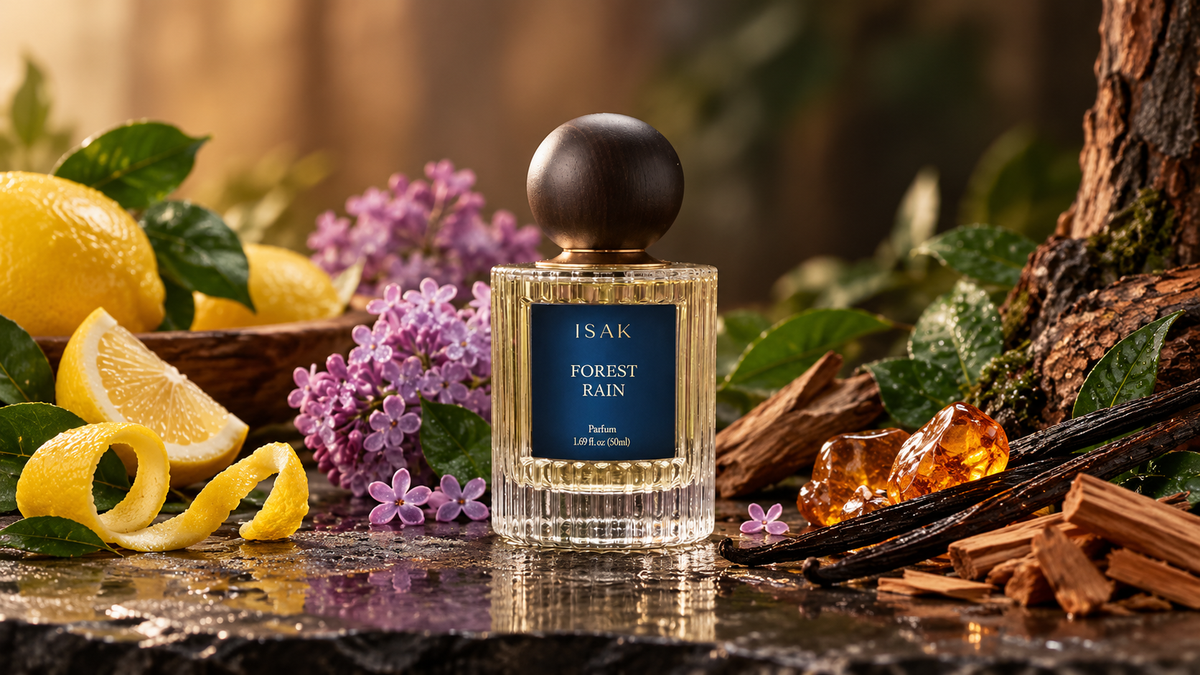
Warm woody and earthy scents perform exceptionally well in winter. Cedarwood, sandalwood, petrichor, and oakmoss have a grounded, natural character that feels like the season itself. The Forest Rain air freshener, with its cedarwood and musk base layered over lemon, lilac, and petrichor, is one of the most versatile winter home fragrances available because its progression from fresh to warm suits both daytime and evening use across the cooler months.
Floral and oriental scents are equally well-suited. Rose, jasmine, and tuberose become warmer and richer in cool conditions because the slower evaporation rate allows their complex character to develop fully rather than diffusing all at once. The Rose Wonder air freshener applied to curtains in winter produces a depth and warmth that the same product does not achieve in July humidity.
Vanilla, amber, and resinous notes are the most distinctively winter-appropriate of all. They create the olfactory equivalent of warmth: rich, soft, and enveloping in a way that feels contextually right during cold evenings. The Vanilla diffuser oil used in a cordless diffuser in the living room or bedroom creates exactly this quality, particularly in the evenings when guests are present or when the home should feel welcoming rather than neutral.
Room-by-Room Winter Fragrance Guide
Living room: This is the room guests experience first and spend the most time in during winter gatherings. Layer a passive base with an active top-up: a reed diffuser like the Moh-Ri-Ruh with its Indian Rose character creates a continuous ambient presence that requires no attention. Before guests arrive, supplement with two sprays of Forest Rain on curtains and cushions for an immediate layer of warmth that builds on the diffuser’s base.
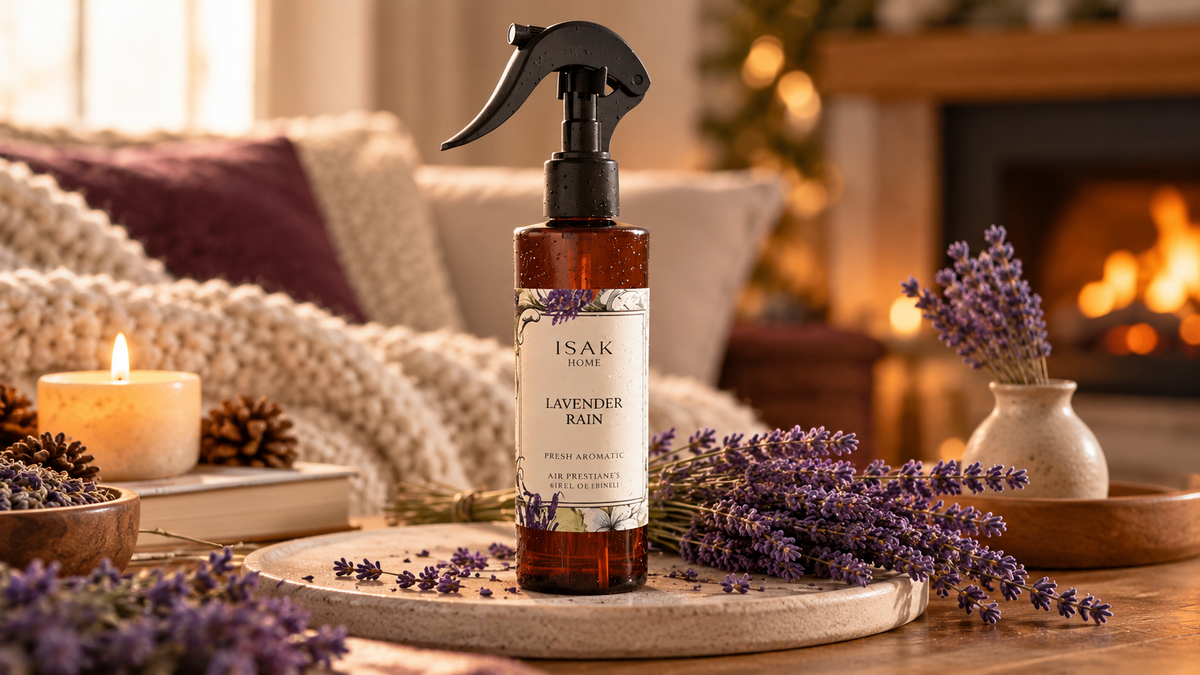
Bedroom: Winter bedrooms benefit most from calming, sleep-supportive scents that also feel seasonally appropriate. The Wabi-Sabi reed diffuser with its lavender composition provides continuous overnight presence without any management. The Lavender Rain air freshener applied to bedding and curtains in the evening adds a sandalwood and amber warmth to the lavender character that makes it specifically suited to cool nights.
Entryway: The entry sets every impression your home makes on guests. In winter, woody and floral scents work best here because they read as welcoming and distinctive rather than clinical. The Indian Rose diffuser oil run through a cordless diffuser near the entry for 20 minutes before guests arrive creates a genuinely warm first impression. If you do not have a diffuser device positioned there, two sprays of Rose Wonder on any fabric surface in the entryway achieves a similar effect.
Home office: Winter is when home offices see the most use because cold outside temperatures extend the time spent indoors. Grounding, focus-supportive scents suit workspaces better than stimulating citrus in winter. The Patchouli diffuser oil has an earthy, quietly focusing quality that suits long working sessions in enclosed rooms during the cooler months.
How to Layer Home Fragrances for Maximum Winter Impact
The most effective winter home fragrance strategy uses multiple product types together rather than relying on one.
Use a reed diffuser as your constant background layer. It requires no attention and creates a low-level ambient presence that makes the home always smell like something considered rather than neutral. Position it in the room where guests spend the most time or where you spend the most of yours.
Add a cordless diffuser for deliberate sessions in a specific room, particularly the bedroom in the evening or the home office during working hours.
Use an air freshener for on-demand moments: before guests arrive, after cooking, or whenever you want an immediate fresh layer on top of the diffuser’s ambient base. In winter, applying to curtains and upholstery rather than into the air extends the longevity of every spray application significantly because cool fabric holds aromatic molecules for hours.
The Tuberose diffuser oil is worth highlighting specifically for winter festive occasions. Rich, full-bodied, and expressive, it creates an atmosphere that feels occasion-ready rather than everyday, making it the right choice for evenings when the home needs to feel its best.
Frequently Asked Questions
What are the best home fragrance scents for winter?
Warm woody, floral, vanilla, and amber-based scents perform best in winter because their heavier aromatic molecules linger longer in cool, enclosed rooms.
Does home fragrance last longer in winter than summer?
Yes: cooler temperatures slow the evaporation of aromatic molecules, extending how long any home fragrance product remains detectable on surfaces and in the air.
What is the best home fragrance product for winter evenings?
Reed diffusers for continuous ambient presence and diffuser oils for deliberate evening sessions both work well; layering both produces the most complete and lasting result.
How do I make my home smell good for winter guests?
Apply a woody or floral air freshener to curtains and cushions 20 to 30 minutes before guests arrive, and run a diffuser oil in the main living space for 20 minutes beforehand.
Which room benefits most from home fragrance in winter?
The living room, because it is where guests spend the most time and where a warm, inviting ambient scent creates the strongest impression.
Is a reed diffuser or air freshener better for winter home fragrance?
Reed diffusers provide continuous background fragrance without effort; air fresheners provide immediate on-demand impact for specific moments: the best approach uses both together.
Can I use floral scents as home fragrance in winter?
Yes: floral scents with warm base notes like sandalwood and amber develop more richly in cool conditions and feel seasonally appropriate rather than out of place.
How often should I apply home fragrance in winter?
For fabric application, once in the morning is typically sufficient for all-day presence; for air freshener in open air, every two to three hours maintains continuous detectability.

Leave a comment
This site is protected by hCaptcha and the hCaptcha Privacy Policy and Terms of Service apply.